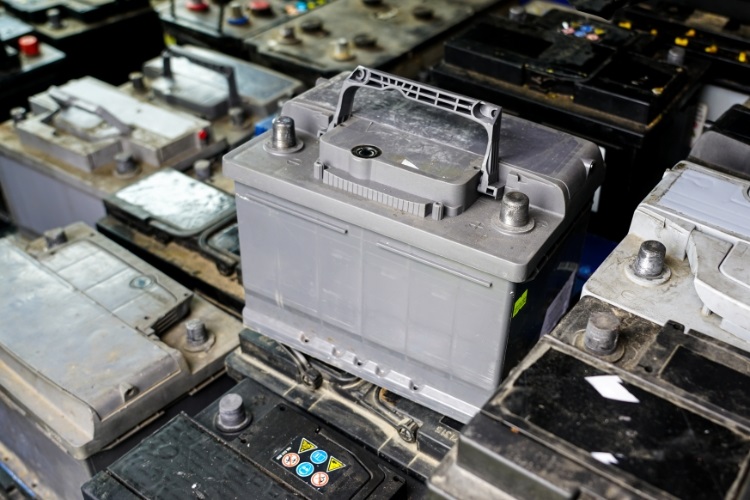
Batteries encompass a wide range of types, including but not limited to car batteries, golf cart batteries, UPS batteries, industrial fork-lift batteries, motorcycle batteries, and commercial batteries. These variants can fall into categories like regular lead–acid, sealed lead–acid, gel type, or absorbent glass mat batteries. Recycling these batteries involves processes like grinding, acid neutralization, and the separation of polymers from lead. The reclaimed materials find application in diverse uses, including the creation of new batteries. It’s crucial to recycle the lead present in lead–acid batteries, as elemental lead is hazardous and should be kept out of the waste stream. Auto parts retailers often collect lead–acid batteries for recycling.
Numerous cities provide battery recycling services specifically for lead-acid batteries. In certain regions, such as various U.S. states and Canadian provinces, a refundable deposit is levied on batteries. This strategy promotes the recycling of old batteries, discouraging their abandonment or disposal with regular household waste. Notably, in the United States, approximately 99% of lead extracted from used batteries undergoes reclamation.