
+971 557 10 555 2 | +971 557 67 446 2 | +971 505 38 317 1
info@sf-scraptrading.com

Services

Used Batteries

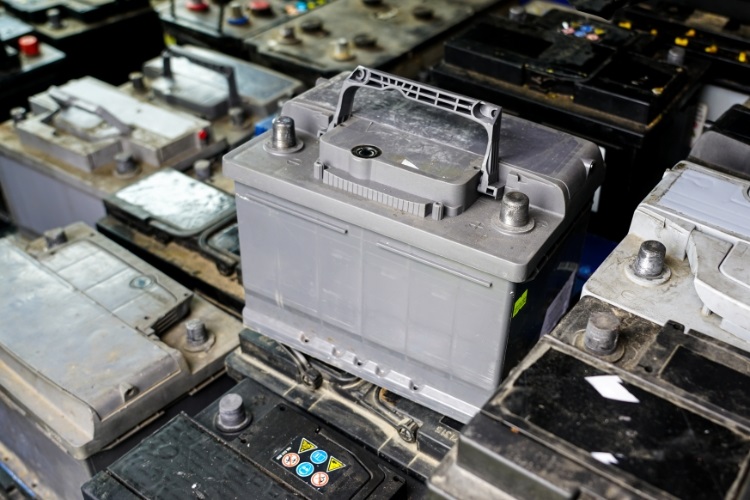
Batteries encompass a wide range of types, including but not limited to car batteries, golf cart batteries, UPS batteries, industrial fork-lift batteries, motorcycle batteries, and commercial batteries. These variants can fall into categories like regular lead–acid, sealed lead–acid, gel type, or absorbent glass mat batteries. Recycling these batteries involves processes like grinding, acid neutralization, and the separation of polymers from lead. The reclaimed materials find application in diverse uses, including the creation of new batteries. It’s crucial to recycle the lead present in lead–acid batteries, as elemental lead is hazardous and should be kept out of the waste stream. Auto parts retailers often collect lead–acid batteries for recycling.

Numerous cities provide battery recycling services specifically for lead-acid batteries. In certain regions, such as various U.S. states and Canadian provinces, a refundable deposit is levied on batteries. This strategy promotes the recycling of old batteries, discouraging their abandonment or disposal with regular household waste. Notably, in the United States, approximately 99% of lead extracted from used batteries undergoes reclamation.
Copper Scrap

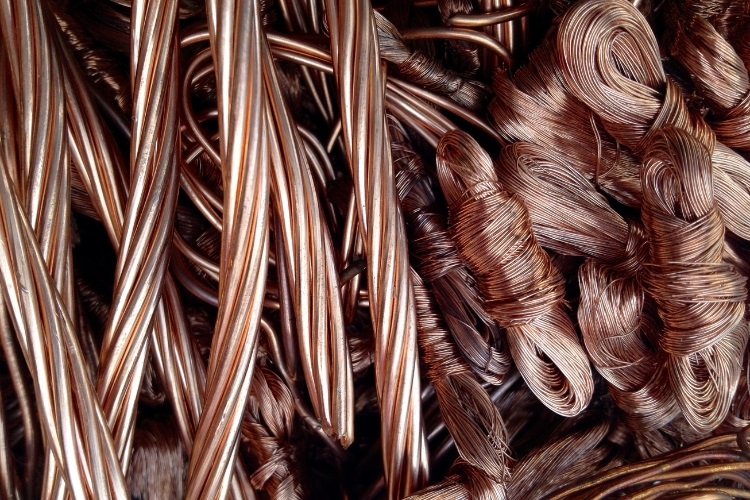
We have the capacity to provide top-quality copper scrap at a competitive price. All types of raw materials can be recycled, contributing to the production of copper from waste materials.

Our offering encompasses the highest-grade Copper Scraps, carefully recycled to yield pure copper products and machinery components. To satisfy the substantial demand from our clientele, we secure these scraps in substantial quantities. Drawing on our extensive industry expertise, we present a premium selection of Copper Scraps, meticulously sourced from reliable and credible suppliers.

Leveraging our extensive vendor network, we’ve earned a noteworthy reputation for trading and supplying a comprehensive assortment of Copper Scrap to our esteemed clientele. Our products undergo rigorous scrutiny by our quality control experts during procurement, utilizing advanced testing tools and equipment.

Renowned in the market for their unique attributes including ductility, malleability, authenticity, purity, and robustness, these products cater to different grades and quantities, effectively fulfilling the market’s extensive requisites and demands.

Aluminum Scrap

Aluminium recycling involves the reutilization of scrap aluminium to create new products following its initial production. The primary source of processed aluminium scrap comes from used beverage containers, a significant portion of which is converted back into aluminium cans.

Various grades and types of aluminium scrap are utilized for recycling, aiming to reclaim pure aluminium from the scrap material. The following table highlights essential aluminium grades and types employed in recycling.

The ease of recycling stands as a pivotal factor in propelling aluminium’s global utilization and success. The practice of recycling has proven to be exceptionally valuable from both economic and ecological standpoints, to the extent that recovery and recycling have evolved into a distinct industry. Presently, the industry comprehends the paramount importance, value, and simplicity of aluminium recycling, leading to substantial investments in the establishment of numerous recycling centers worldwide.

Metal Scrap

The pricing of scrap metal is intricately tied to well-acknowledged independent values within the steel market commodity realm. These values, updated biweekly and conveniently accessible online through the Material Recycling World (MRW), encompass a comprehensive range of scrap metal prices. This dynamic approach ensures that our clients consistently receive optimal value for their scrap materials.

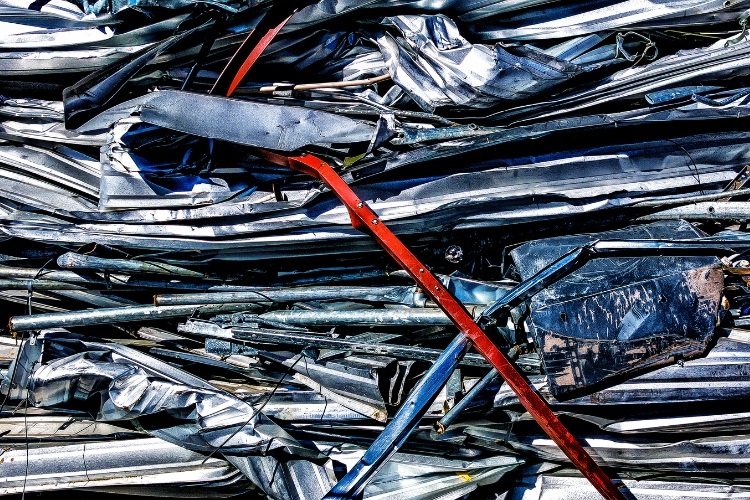
Scrap materials comprise reclaimable substances stemming from both product fabrication and consumption, encompassing elements like vehicle components, construction resources, and surplus materials. In contrast to mere waste, scrap holds intrinsic economic worth, particularly in the context of reclaimed metals. Additionally, non-metallic materials are also reclaimed for recycling purposes.

The journey of scrap metal recycling begins once your scrap materials depart your premises, proceeding through a reclamation process. This process may entail the melting of diverse alloys either in isolation or as a combination of recycled scrap metals, tailored to attain the precise composition.

Opting for reuse and recycling stands as a viable alternative to outright scrapping, offering a pathway that significantly enhances our clients’ environmental credentials. Our primary objective revolves around presenting a seamless resolution encompassing the extraction, storage, and eventual recycling or resale of scrap metal. This approach aims to streamline the entire process and alleviate any associated challenges for our clients.

IT/Electronics Scrap

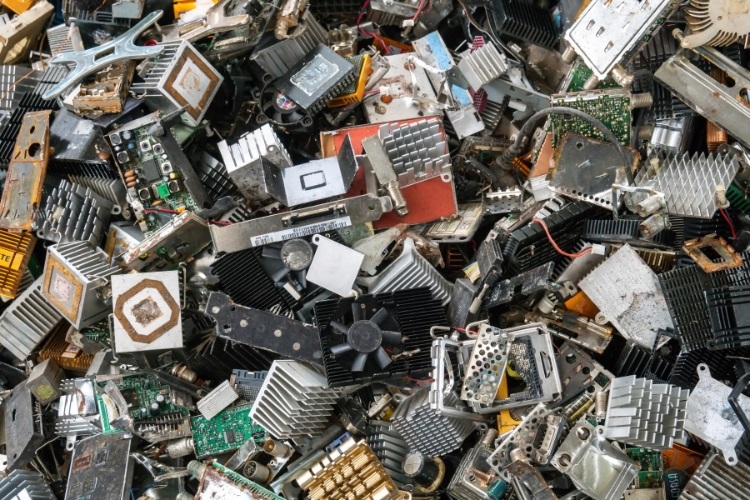
To extract valuable resources and mitigate the adverse impact of hazardous substances present in discarded computers, a commonly adopted approach involves the dismantling of scrap computers. Through this dismantling process, a manual separation of both beneficial and dangerous materials can be achieved. Subsequently, the retrieved materials are directed to appropriate facilities for further recycling or treatment, based on their specific properties. Notably, the proper management of hazardous substances originating from cathode ray tubes (CRT) and printed circuit boards with integrated circuits has garnered significant attention. This underscores the crucial role of effectively treating such materials to ensure the successful recycling of scrap computers. Consequently, this study delves into an examination of available technologies suitable for the treatment and recycling of components from cathode ray tubes and printed circuit boards with integrated circuits. Additionally, we present real-world recycling data from a scrap computer recycling plant situated in Taiwan. These data reveal that the recycling plant achieves a recovery rate of 94.75 wt. % and 45.99 wt. % for valuable materials extracted from the principal components (such as CPU, power supply, fan, IC boards, DVD drive, CD drive, hard disk, floppy disk, casing, etc.) and monitors of discarded computers, respectively.

Facebook
LinkedIn
Instagram